Yo-Da Lai.

Forward-deployed AI engineer · ClawConnect founder

Yo-Da Lai

The person, not an agency

Gold Coast · AU & NZ

I hand small teams their week back. The replies, reports, invoices, and reminders eating your team’s day become my problem, handled by systems I build and run myself.

ClawConnect workflow map: AI specialists for support, sales, operations and finance connected to email, WhatsApp, Slack and CRM, with human approval points and action logs
The operating pattern behind every deployment: one company brain, many channels, human approval on anything sensitive, and a full log of every action.

What actually shipped

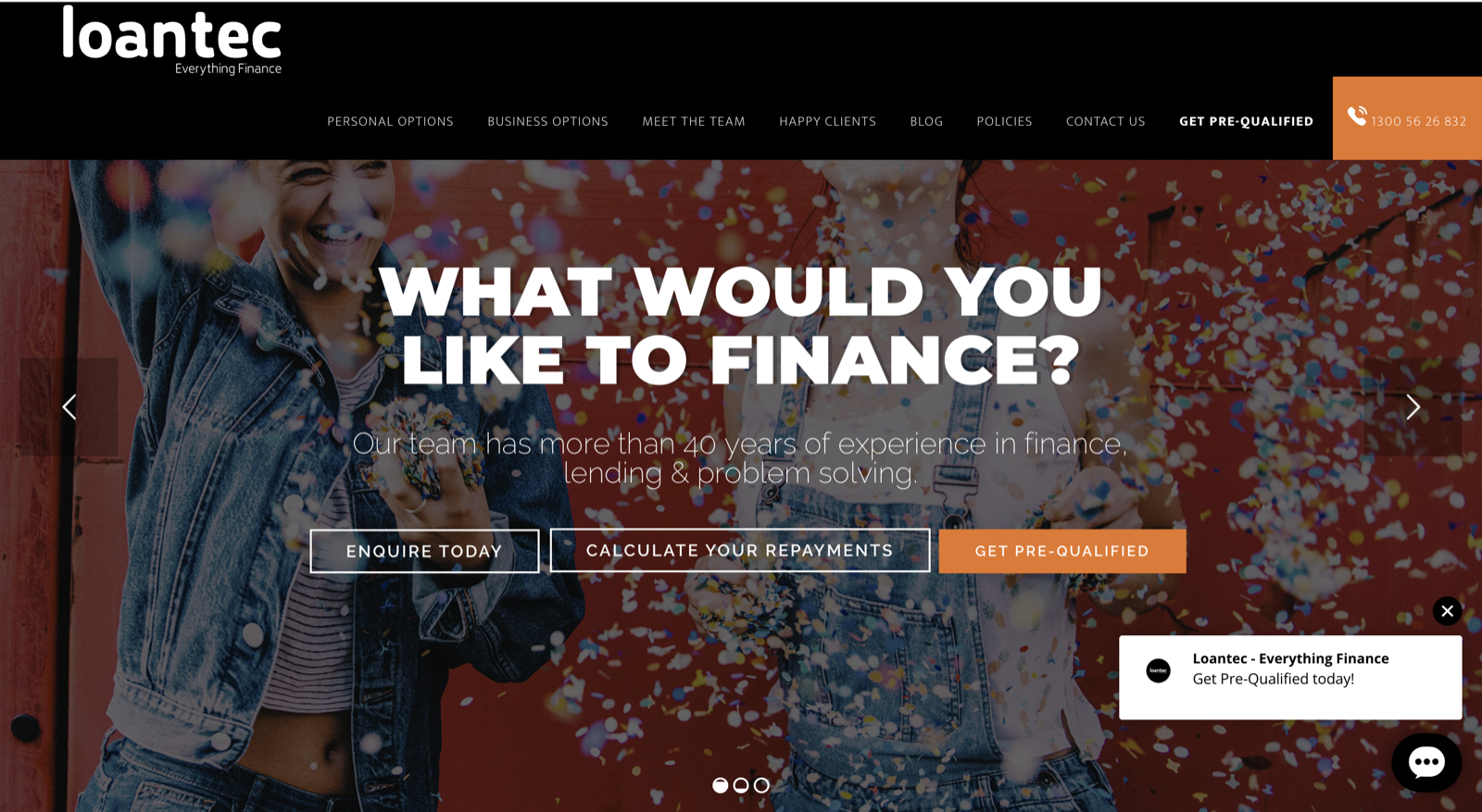
  • A dead chatbot became a working borrower intake path - Loantec.
  • Creative production moved from manual repetition to minutes - Batchit.
  • A clothing brand's marketing team saves up to 5 hours a day - Youknow Clothing.

Real businesses. Real work, handled.

ClawConnect - Founder and CEO

AI staff platform with one shared memory across support, sales, ops, and research.

Live inside creator, commerce, finance, and service teams.

Batchit - Product engineering

AI ad campaign generator that turns a brand brief into production-ready variations.

Creative production moved from manual repetition to minutes.

Loantec - Redesign and workflow automation

Fintech-grade website rebuild plus lead capture and follow-up automation.

A dead chatbot became a working borrower intake path.

Saint Clare - Consulted, systems path

Advisory engagement for a luxury interiors brand: walked the founder through the ops map, where admin was capping client capacity, and the path into a single custom CRM with an AI assistant.

She left with a sequenced plan the business could run with.

MxJ - Consultant, AI systems

AI-driven marketing, leads, and automation for businesses being outpaced by faster competitors.

Contributed to the product and automation systems before moving on.

Senna - AI product build

AI compliance co-pilot for Australian startups: documents, grant matching, and 24/7 mentor guidance.

ASIC and ATO compliance handled without hiring a lawyer.

Hermios - SaaS build

Lightweight CRM for operators that outgrew spreadsheets but not into enterprise bloat.

One clean system for clients, pipelines, reviews, and follow-ups.

TeaseMe - Technical build support

AI companion chat platform for creators. Built a large part of the core structure, systems, and features as one of the main engineers.

AI Property Consultant - Personal build, in daily use

Yoda's own rental portfolio, run by an AI consultant he built. Rent and bills tracked as they fall due, inspections planned, lease renewals priced against nearby listings, and help when a place goes to market.

Live product handling real subscriber conversations.

What these systems take off your plate

Every project runs the same way: watch how the work really happens, then build the piece that handles it. Nothing sensitive goes out until a person signs off. The building blocks recur across builds:

  • Operating memory - your knowledge, decisions, how-tos, offers, and tone of voice live in one place the team can ask, and add to.
  • Human gates - important actions pause, explain themselves, and wait for the right person before sending.
  • Channel coverage - email, WhatsApp, client records, docs, calendars, and internal chat stop behaving like separate businesses.
  • Revenue path - Loantec moved from dead-end intake to qualified borrower flow.
  • Creative engine - Batchit turns ad-campaign production from days of manual work into minutes.
  • New surfaces - MxJ and Senna show the range: AI marketing systems, compliance co-pilots, and production support.

Four ways I usually help

  • AI operations - helpers that answer the repeat questions, pass tricky ones to a person, and log everything they do. Best when the same question keeps bouncing between people, docs, and channels.
  • Product builds - dashboards, customer portals, and internal tools your team will actually use. Best when a workflow deserves its own product instead of another spreadsheet.
  • Revenue systems - enquiries answered fast, leads followed up, and reporting that writes itself. Best when money is leaking between first contact, qualification, and follow-up.
  • Founder support - one builder in your corner for the messy, important jobs. Best when you need one person who can cross product, operations, AI, and marketing without dropping the ball.

Frequently asked questions

Will this replace my staff?

No. The goal is the opposite: remove the repetitive busywork so your team can spend their hours on judgment, relationships, and growth, the parts of the job a person does far better than software. The AI employee handles the predictable, high-volume work like replies, follow-ups, data entry, and reporting, while your people stay in control of sensitive decisions, exceptions, and anything that needs a human touch. Every system is built with human approval points, so nothing important happens without sign-off, and escalation rules mean the AI hands a tricky case to a person instead of guessing. In practice, clients use it to avoid hiring for pure admin as they grow, not to cut existing staff. Teams typically save up to five hours a day per person. You keep the same team, freed from the work that was burning them out, and no technical knowledge is needed to run it day to day.

What is an AI employee?

An AI employee is a software system that takes over a specific, repeatable job in your business, using your own business knowledge rather than generic answers: answering customer emails, chasing unpaid invoices, updating your CRM, routing leads, or pulling together a weekly report. It runs around the clock, so the work still happens overnight and on weekends, and it connects straight into the tools you already use, like Gmail, Slack, WhatsApp, and your CRM. Human approval is built in for anything sensitive: the system pauses, explains what it wants to do, and waits for a person before it sends or triggers. Every action is logged, so you can always see exactly what happened. Yo-Da Lai builds these for small businesses and founders across Australia and New Zealand, usually starting with one workflow and expanding from there. Most go live within 7 to 14 days of the free audit call, with no technical knowledge needed on your side.

What kinds of tasks can you automate?

The best candidates are the repetitive, rules-based jobs that quietly eat your team's hours: customer replies and FAQs, invoice follow-ups, lead capture and qualification, research and briefs, CRM updates, content repurposing, weekly reporting, scheduling, and client intake. A simple test: if a task is repetitive, already documented or consistent enough to write down, and follows clear rules, it can usually be automated. Yo-Da Lai has done exactly this across real businesses: full customer, order, and marketing workflows for Youknow Clothing's e-commerce operation, and lead follow-up and conversion for the Loantec finance brokerage. The free 15-minute audit maps your three biggest time leaks and picks the one workflow worth automating first, so you start where the payback is clearest. No technical knowledge is needed on your side to work out what to hand over.

How do you stop the AI from making mistakes?

Every system is built with control in mind, not blind automation. Three safeguards do the heavy lifting. Human approval points mean sensitive actions pause and wait for a person to sign off before anything sends or triggers. Escalation rules mean the AI hands a case off to a human instead of guessing whenever it hits something outside its remit. Full logging means every action is recorded, so you can always see exactly what happened and why. On top of that, the AI is trained only on your approved business knowledge (your own docs, processes, and FAQs), not the open internet, which keeps its answers accurate and on-brand. Builds are tested against real scenarios and edge cases before they go live, then reviewed once running. This is the same human-in-the-loop pattern behind every Yo-Da Lai deployment, including the ClawConnect platform. The point is to remove repetitive work while keeping people in control wherever judgment actually matters.

What tools can you connect to?

Most modern business tools connect, because they offer an API or a webhook. Common ones include email (Gmail, Outlook), team chat (Slack, Microsoft Teams, Telegram), and messaging like WhatsApp; CRMs such as HubSpot, Pipedrive, and Airtable; workspaces like Notion and Google Workspace; and finance tools such as Stripe and Xero. Automation platforms like Make and Zapier extend the reach further still. The general rule is simple: if a tool has an API or a webhook, it can usually be connected, and the AI employee works across all of them at once instead of living inside a single app. Through ClawConnect, Yo-Da Lai's AI staff platform, specialists plug into the channels a business already runs (over 2,000 tools) and share one company brain, so what one learns, all of them know. You don't need to change the tools your team already uses; the system fits around your existing stack rather than replacing it.

How long does a build take?

A single AI employee, like automated customer replies, invoice follow-ups, or CRM updates, typically goes live in 7 to 14 days from the free audit call to deployment. That timeline holds because the build uses ClawConnect, Yo-Da Lai's existing AI staff platform, rather than custom infrastructure from scratch: the first department is usually live within days, with the full system in production by day 14. Larger engagements, like automating an entire business's operations as we did for Youknow Clothing, take longer and are scoped individually during the audit, but still follow the same audit, design, build, test, deploy, and improve sequence used on every project. Scope, delivery terms, and the payment schedule are agreed in writing before work starts.

How much does it cost?

Custom builds are scoped after the free review and quoted at a fixed price in writing before work starts. The quote covers the agreed workflow, integrations, testing, deployment, and handover, so there are no surprise invoices. Ongoing support is optional and can be cancelled anytime. ClawConnect has a separate product plan for teams that want the full AI staff layer rather than a custom sprint; its current pilot, implementation, and monthly options are shown on the ClawConnect page.

Do we need clean documentation first?

No. Clean documentation helps, but it is not a requirement to get started. A big part of the free audit and the build is mapping how the work actually happens today, step by step. If your processes live in people's heads or scattered across inboxes and spreadsheets rather than a tidy manual, that is normal and completely fine; we document them together as part of the build, which often becomes a useful byproduct in its own right. The AI employee is then trained only on that approved business knowledge (your real docs, processes, and FAQs), so its answers match how you actually work. This is exactly how deployments run for clients who came in with nothing written down, from Youknow Clothing's full e-commerce operation to the Loantec brokerage's borrower follow-up. You don't need to prepare anything technical in advance; bringing the workflow that keeps breaking is enough to begin.

What happens after launch?

Launch is the start of the system's working life, not the finish line. Every deployment goes live with logging, full visibility, and a review window, so you can watch what it is doing, where it saves time, and where it hands off to a person. From there you have clear options: run the system standalone as it is, add more workflows once the first is proven, or use an optional AI Ops Retainer for ongoing improvements, tuning, debugging, and maintenance as your business changes. Reviews look at real usage: what ran, what escalated, hours saved, and the next workflow worth automating. For businesses on ClawConnect, ongoing support is included in the monthly plan, with strategy calls and workflow reviews. The aim is a system that keeps earning its keep and expands at your pace, not a one-off handover that quietly breaks the moment something in the business changes.